River Mouth
Ocean Beach Estuary Enhancement Project
The San Diego River Mouth is located where the 300-acre San Diego River estuary meets the Pacific in Ocean Beach. This area is one of the most visited areas of the San Diego River, with hundreds of thousands of visitors annually.
Not only is this a popular destination for humans, this is also critical habitat for resident and migratory birds, and a great spot to explore local biodiversity.
This area is a perfect example of how important it is to balance human access to coastal resources and recreation with protecting these sensitive habitats. We work closely with partner organizations like the City of San Diego and the San Diego Bird Alliance to advance restoration projects and encourage the community to be good stewards of this special area by respecting wildlife, using designated trails in the dunes and salt marsh, and disposing of litter and pet waste! Learn more about how you can get involved below.
What's special about the San Diego River Estuary?
Rare Plants
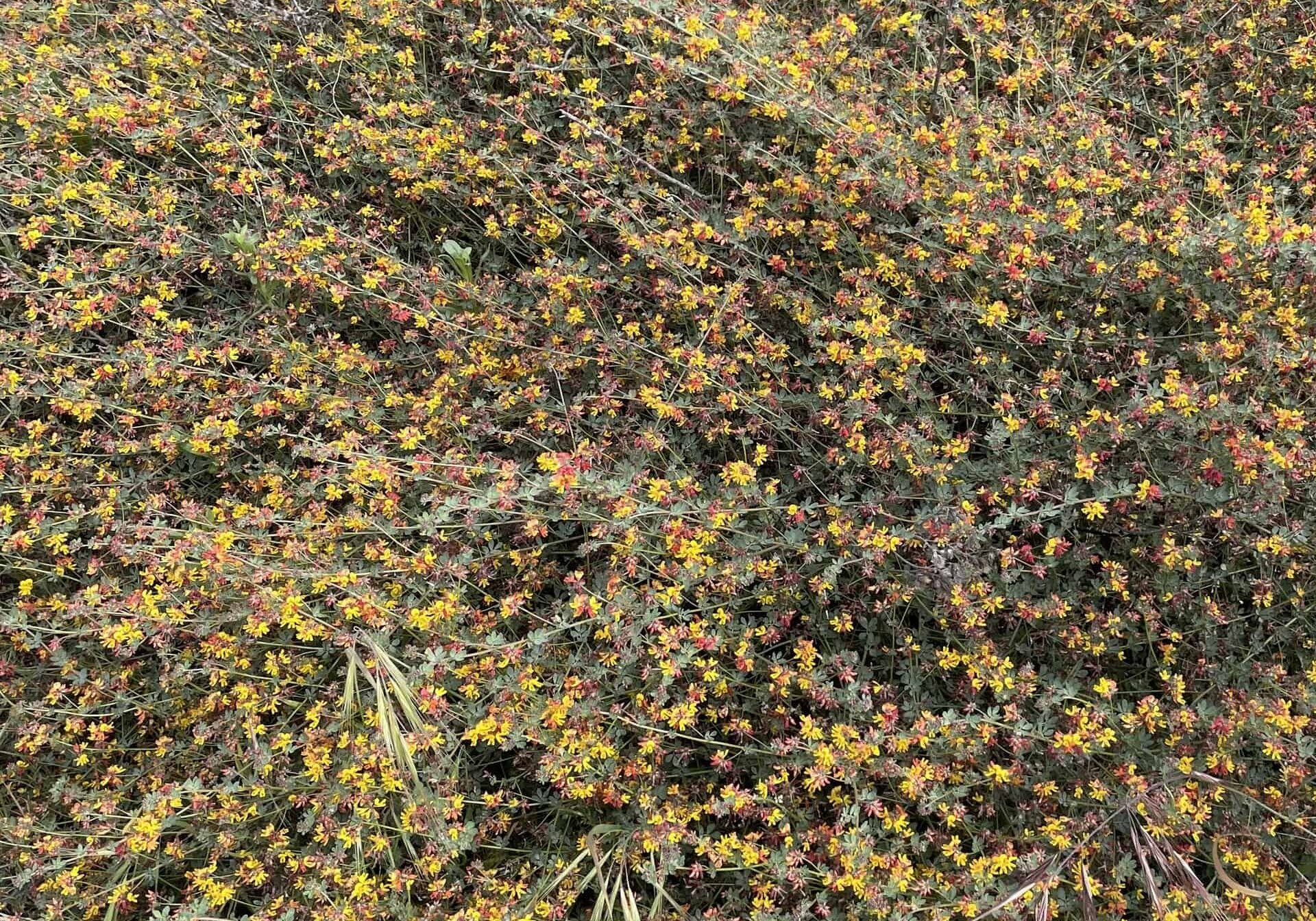
The dunes, mud flats and salt marsh habitats of the San Diego River Mouth are home to several rare and threatened plants (including the Nuttall's acmispon pictured above), and create beautiful and critical habitat.
Endangered Birds
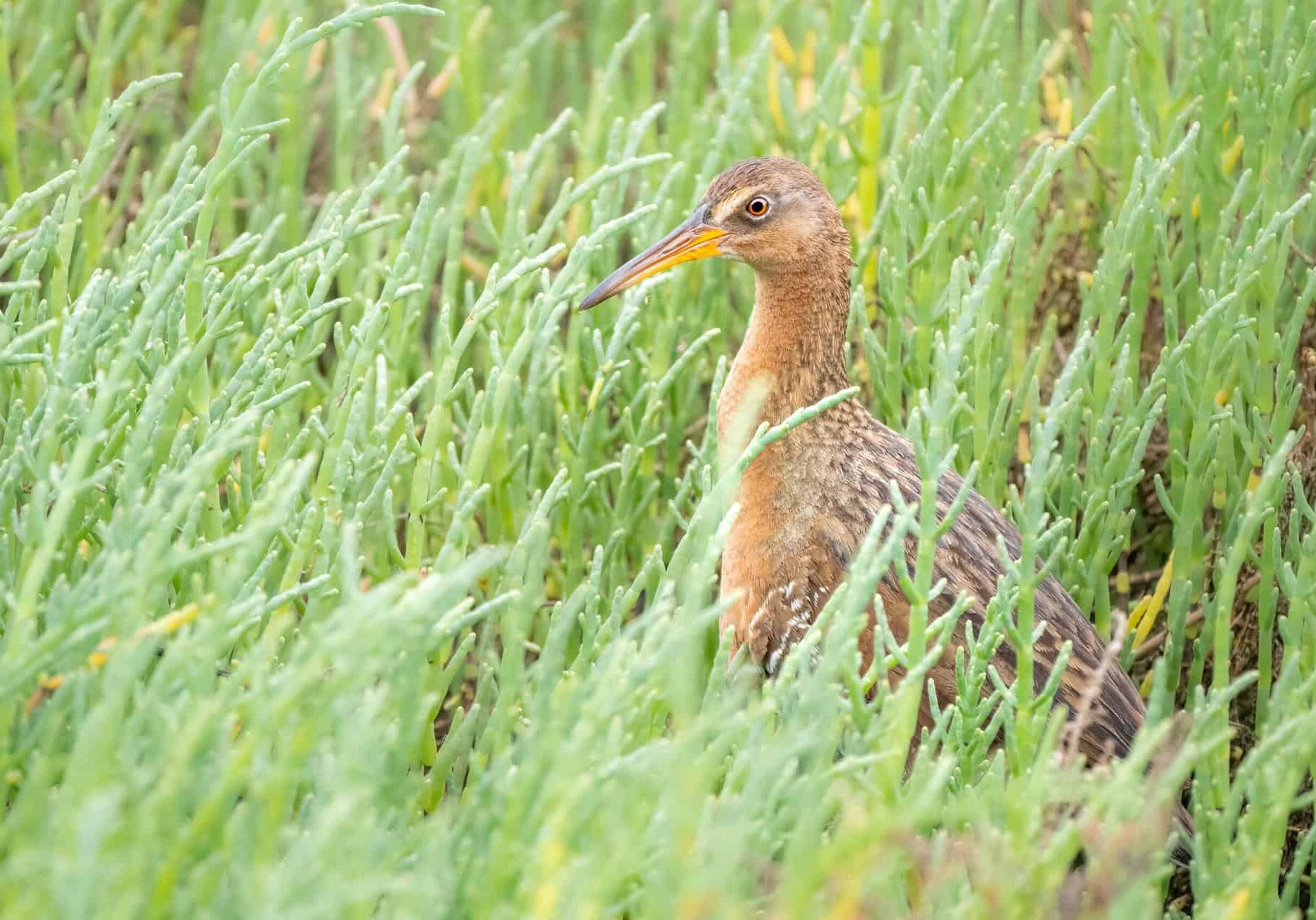
Most of Southern California's historic wetlands have been lost to development, making habitats like the estuary even more critical to the survival of endangered birds, as well as for the 200+ bird species that travel through the estuary every year!
Keep your eyes open for the Ridgway's rail (pictured above) as well as many other species.
Nature Trails and Recreation
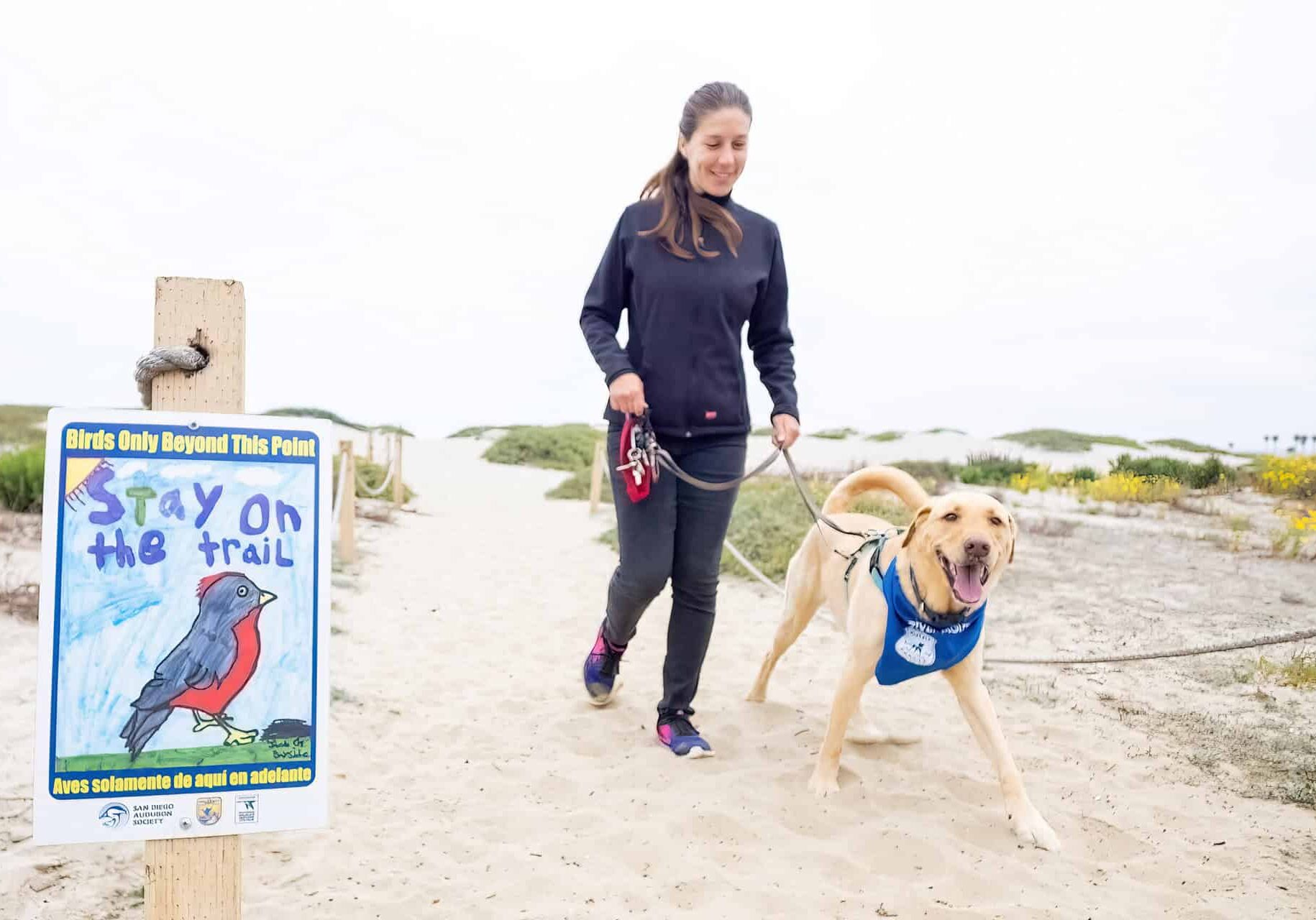
The nature paths and the regional San Diego River Trail here are worth exploring! Whether you're interested in birdwatching, cycling, walking the beach, or exploring with four-legged friends, responsible trail use makes it possible to appreciate this habitat and protect the species that live there. With the off-leash dog beach nearby, improvements to these trails in the dunes and salt marsh help prevent disturbance to birds and other wildlife in this area.


Invasive Removal
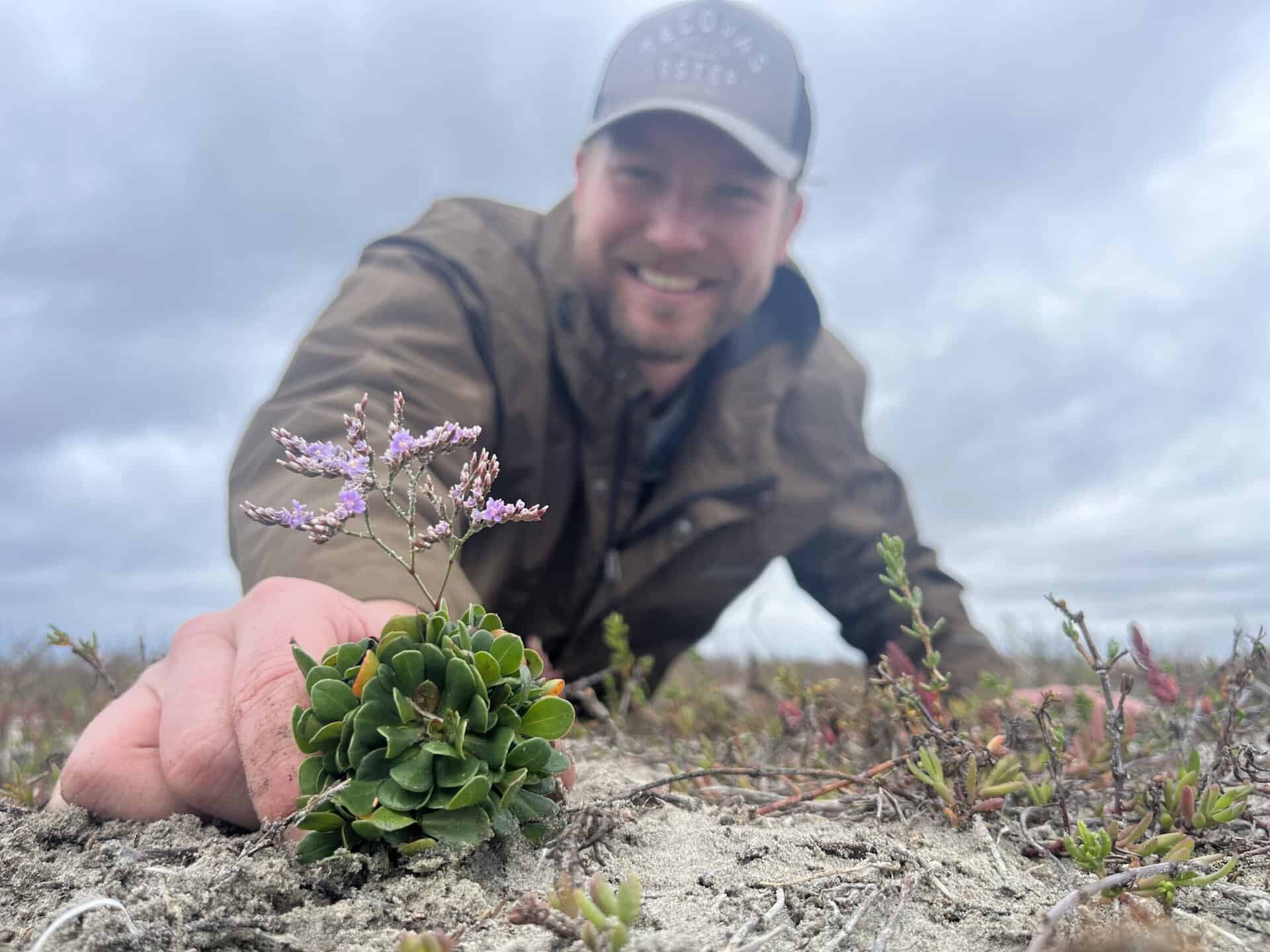
Targeted invasive species removal is a key part of this habitat restoration project. Invasive, non-native species pose many negative impacts on native ecosystems, such as degrading habitat and reducing biodiversity. They oftentimes outcompete native species for water, nutrients, sunlight, and space. By removing these invasive plants, we help restore healthy ecosystem function and improve conditions for native species to thrive.
These efforts are especially important for protecting the rare and threatened plants that call this habitat home, including Nuttall's acmispon, salt marsh bird's beak, and coast woolly heads.
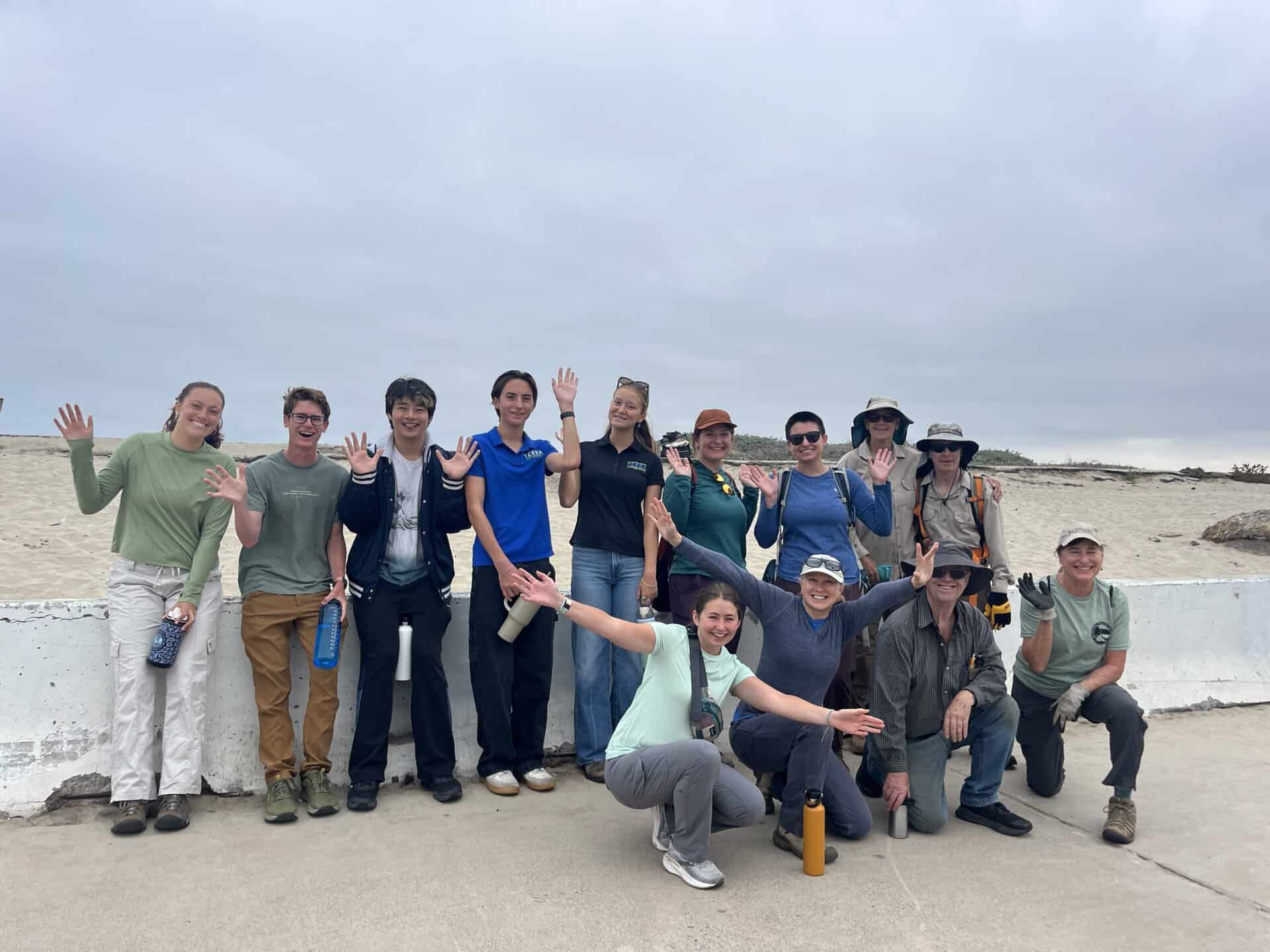
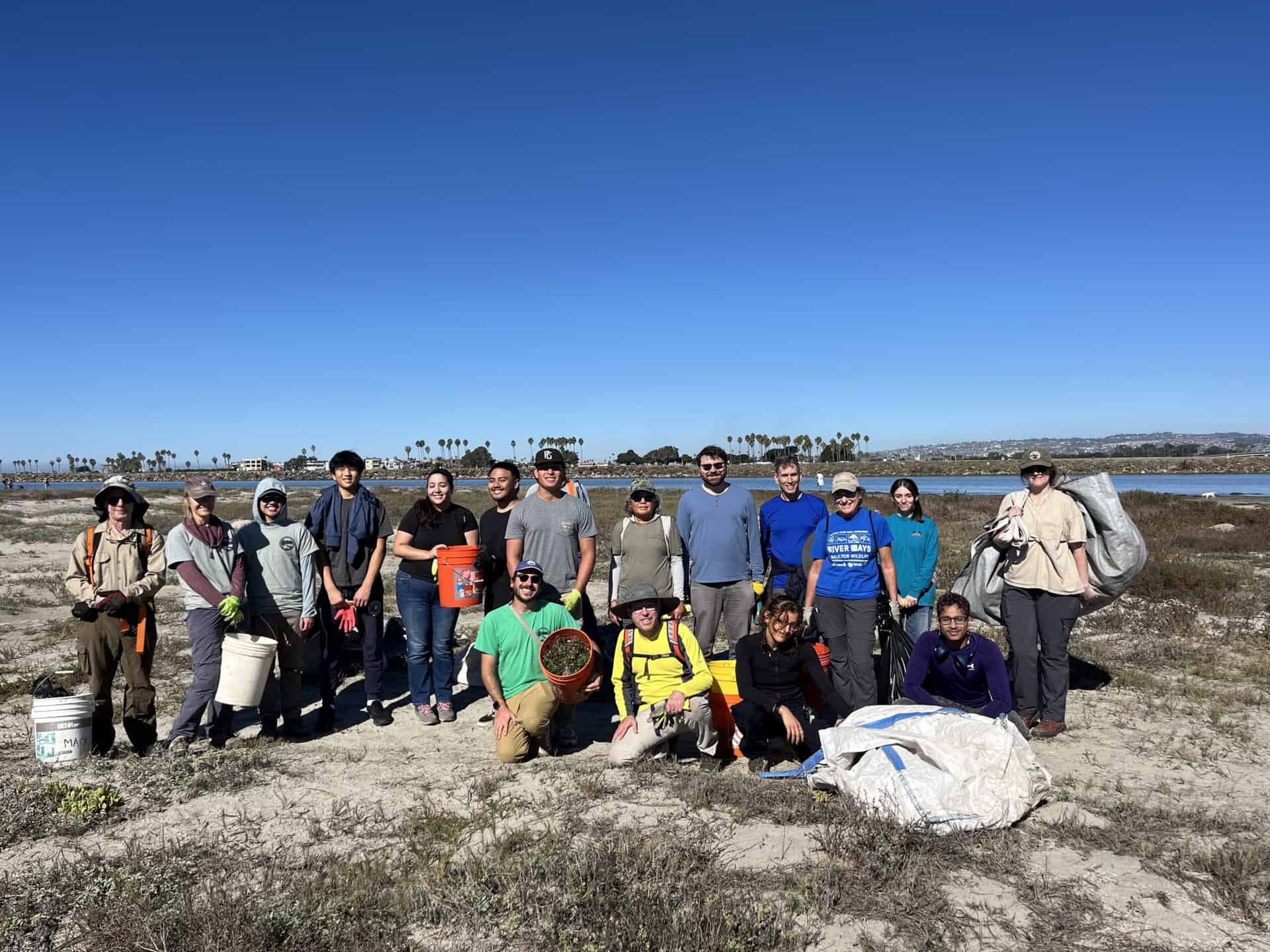
Every invasive plant removed within the project area has been pulled by hand by our incredible community volunteers, demonstrating the lasting impact of hands-on conservation and community stewardship.
Together, invasive plant removal and native habitat restoration strengthen ecosystem resilience, support biodiversity, and create healthier conditions for native plants and wildlife for years to come.
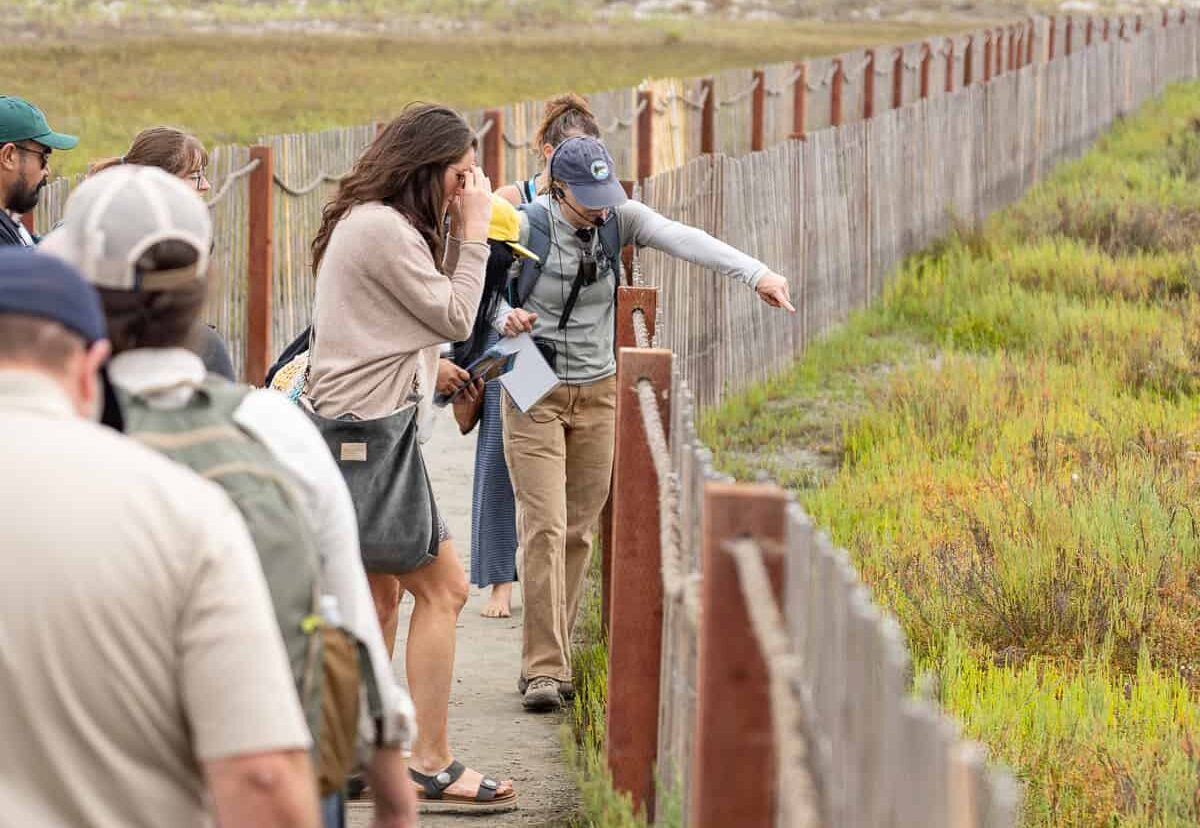
Nature Paths
Clearly designated nature paths and protective fencing allow visitors to explore the diverse habitats of the San Diego River Mouth, from coastal dunes to thriving salt marshes, while simultaneously helping safeguard these sensitive ecosystems.
The fencing helps protect the native habitat by ensuring visitors and their dogs stay on the established trails, thus minimizing trampling of native vegetation and reducing disturbance to wildlife, creating a safer experience for both visitors and the environment. When birds are chased by off-leash dogs, they are at risk of being caught, but also use up critical energy reserves to repeatedly flee. In the sand dunes and salt marsh, humans and leashed dogs on trails helps to protect sensitive wildlife!
Efforts like these encourage the community to connect with nature while supporting the long-term health and resilience of the estuary.
Rare Plant Monitoring
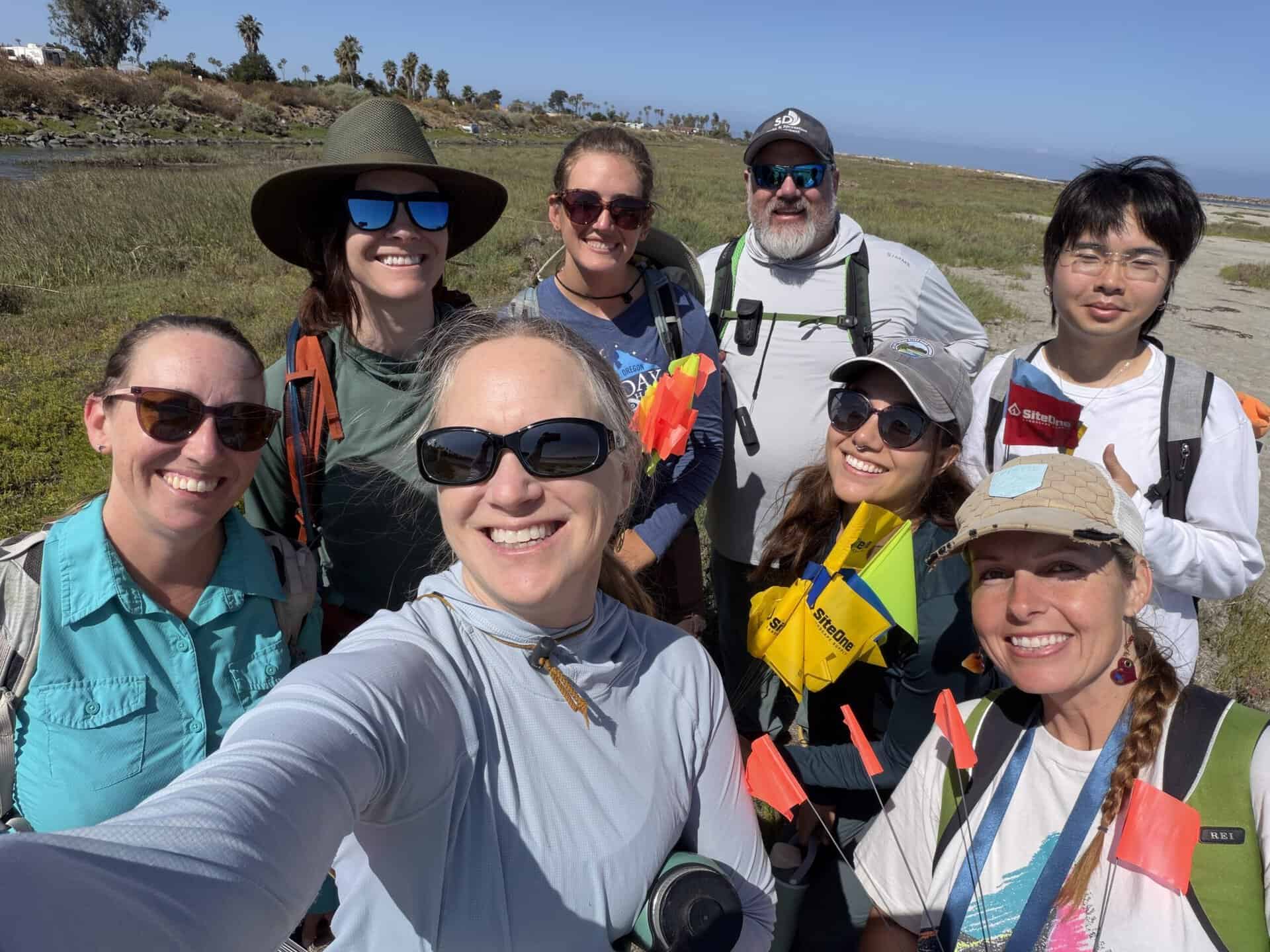
Each year, SDRPF staff and volunteers partner with the San Diego Management and Monitoring Program (SDMMP) to monitor the rare plant populations within the project area. Annual surveys focus on three sensitive species: Nuttall's acmispon (Acmispon prostratus), salt marsh bird's beak (Chloropyron maritimum), and coast woolly heads (Nemaculis denudata).
Rare plant monitoring is essential for understanding the distribution, abundance, and long-term health of these species, as well as how they respond to environmental change and human impacts. By collecting consistent data on an annual basis, we can help identify population trends, evaluate the success of restoration efforts, and determine when conservation actions may be needed to ensure these rare plants continue to thrive.
Our vision for the River Mouth
We believe that habitats can thrive alongside recreation areas, so long as people engage in thoughtful stewardship!
By restoring and caring for this habitat, we've helped create a beautiful place where people can enjoy the physical and mental health benefits of spending time outdoors while also protecting the wildlife that depends on this ecosystem. We aim to engage in conservation work that benefits both people and nature at the same time.
Together, our shared commitment to protecting natural spaces helps create healthier, more resilient ecosystems that can better withstand the impacts of climate change and increasing urban development, ensuring these places can be enjoyed for generations to come.